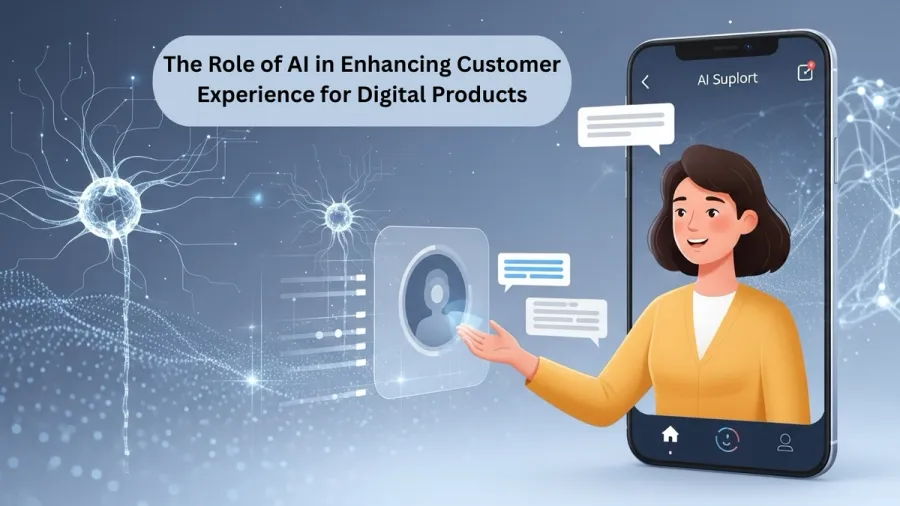
The Psychology Behind Why Customers Prefer Smart Apps
In today’s digital-first world, businesses are constantly seeking ways to engage customers effectively. While traditional websites and basic apps still have value, there is a clear shift: customers increasingly prefer smart apps—applications powered by AI, personalization, automation, and predictive insights. But why is this happening? The answer lies in human psychology.
1. Personalization Feels Human
One of the strongest psychological triggers is the need to feel understood. Smart apps track user behavior, preferences, and history to deliver content, suggestions, or notifications tailored to each individual. This personalization makes users feel valued, increasing engagement and loyalty.
For example, a retail app that suggests products based on browsing history or previous purchases makes the customer feel like the brand “gets them,” boosting trust and repeat usage.
2. Convenience Reduces Cognitive Load
Humans are wired to avoid unnecessary effort. Smart apps streamline decision-making by automating repetitive tasks, simplifying navigation, and predicting user needs.
Think of features like auto-fill, one-click reordering, or smart reminders. These reduce mental effort, save time, and provide a seamless experience—a major factor in why users stick with an app over a competitor.
3. Instant Gratification Drives Engagement
Psychologically, instant feedback triggers dopamine release—the “reward hormone.” Smart apps excel at this by offering real-time updates, notifications, and quick solutions.
For instance, apps that show instant booking confirmations, live delivery tracking, or progress updates make users feel accomplished and in control, encouraging repeated interactions.
4. Predictive Intelligence Feels Magical
Customers are drawn to technology that anticipates their needs before they articulate them. Smart apps use AI and machine learning to provide predictive suggestions, reminders, or insights.
This creates a sense of “magic” where the app seems almost human in understanding what the customer wants, enhancing satisfaction and emotional attachment to the brand.
5. Trust Through Consistency
Consistency is key to building trust. Smart apps monitor performance, detect issues, and optimize interactions in the background, ensuring smooth, reliable, and error-free experiences.
When users know they can depend on an app to perform flawlessly every time, it strengthens the psychological bond, making them more likely to stay loyal.
Customers prefer smart apps not just because they are technologically advanced, but because they resonate with core human needs: to feel understood, reduce effort, enjoy instant rewards, and trust reliable systems.
For businesses, understanding these psychological drivers is crucial. By investing in smart, intuitive, and personalized applications, brands can boost engagement, loyalty, and long-term growth.
Smart apps aren’t the future—they are the present expectation of every customer.
Build apps that think like your users. Let’s get started.